



Choosing the right financing is often the difference between a profitable real estate deal and a missed opportunity. For many investors, the decision comes down to two primary real estate funding options: DSCR loans and hard money loans. While both fall under the umbrella of private lending, they serve very different roles in an investor’s portfolio.
Understanding the mechanics of DSCR loans is essential for long-term wealth building, whereas hard money is typically the go-to for short-term projects. At Gauntlet Funding, we operate as a direct lender, meaning we provide the speed and flexibility that traditional banks cannot match. This guide will break down the nuances of each loan type to help you determine which aligns with your current investment goals.
When performing an investor loan comparison, the first thing to look at is the underlying requirement for approval. Traditional mortgages rely heavily on your personal debt-to-income ratio. In contrast, both DSCR and hard money look at the asset, but in different ways.
A Debt Service Coverage Ratio (DSCR) loan focuses on the income-generating potential of the property. It is designed for buy-and-hold investors who want to scale their rental portfolios without the red tape of conventional financing. Hard money loans, on the other hand, are strictly short-term bridge solutions. They are asset-based and focus on the After Repair Value (ARV), making them ideal for fix-and-flip projects where the property is currently distressed.
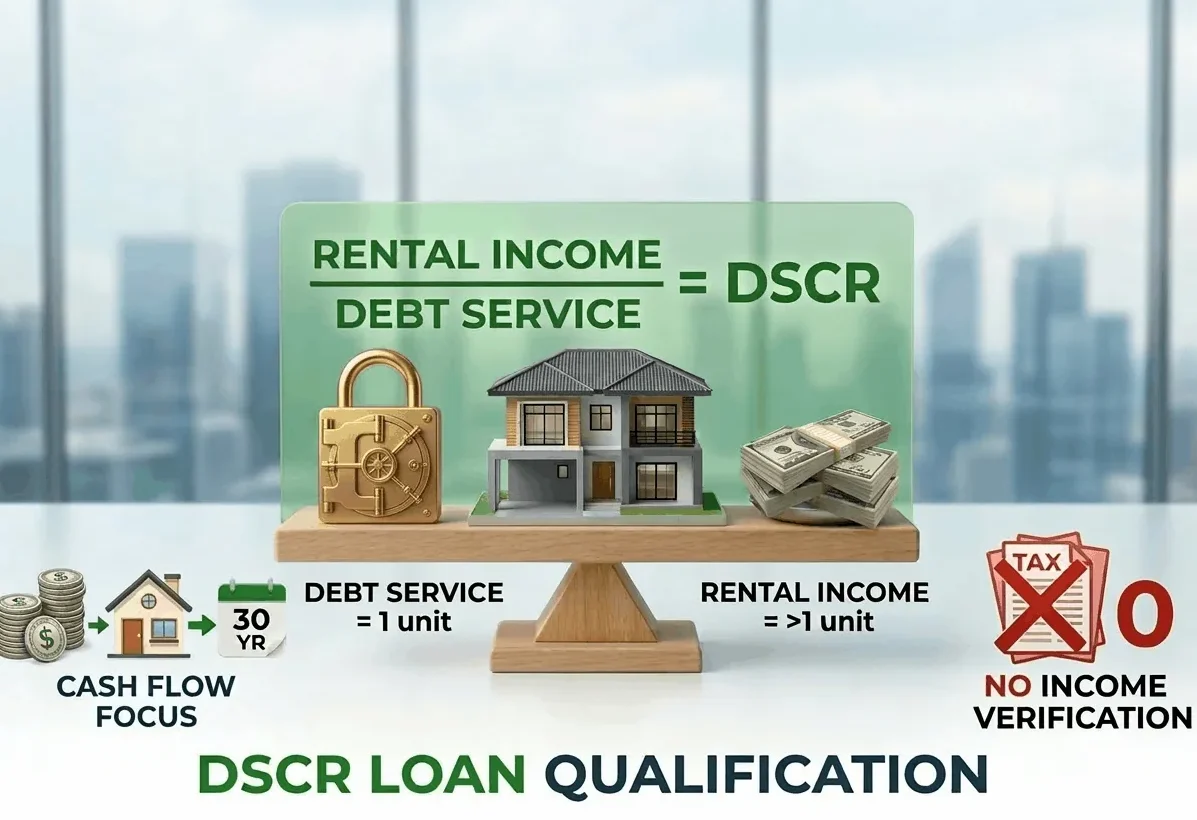 A DSCR loan is a type of non-QM (Non-Qualified Mortgage) loan that allows real estate investors to qualify for a mortgage based on the property’s rental income rather than their personal tax returns or employment history. Lenders calculate the ratio by dividing the gross monthly rent by the monthly debt obligations (Principal, Interest, Taxes, Insurance, and Association dues).
If the property generates enough cash flow to cover the debt, the loan is generally approved. This makes DSCR loans a powerful tool for investors who are self-employed on paper or those who have reached the limit of conventional loans allowed by Fannie Mae and Freddie Mac.
Hard money is the speed component of the real estate world. These loans are funded by private companies like Gauntlet Funding and are secured by the property itself. They are characterized by shorter terms (usually 6 to 24 months), higher interest rates, and rapid funding times. Investors use hard money to acquire properties quickly, often in competitive markets where a cash-like offer is required to win the bid.
If your strategy involves building a stable, monthly income stream, cash flow loans like the DSCR model are usually the superior choice. Because these loans are long-term (often 30-year fixed terms), they provide the predictability needed for a rental business.
One of the biggest advantages of these loans is that they do not appear on your personal credit report in the same way a standard home loan does, nor do they factor in your personal income. This allows you to continue acquiring properties as long as each individual asset covers its own costs.
The debt-service coverage ratio (DSCR) is a measure of the cash flow available to pay current debt obligations. The ratio states net operating income as a multiple of debt obligations due within one year, including interest, principal, sinking-fund and lease payments. — Investopedia
Hard money is not a long-term financing solution. Using it as such is a quick way to erode your equity. However, as a tool for acquisition and renovation, it is unmatched.
When an investor finds a fixer-upper that a traditional bank would not touch due to its condition, hard money provides the capital for both the purchase and the renovation budget. Once the property is renovated and a tenant is placed, many investors then refinance out of the hard money loan into a long-term DSCR loan. This is the core of the BRRRR strategy (Buy, Rehab, Rent, Refinance, Repeat).
To truly understand which is better, we must look at the numbers. While every deal is unique at Gauntlet Funding, there are general patterns in the market regarding bridge financing solutions and long-term debt.
| Feature | DSCR Loans | Hard Money Loans |
|---|---|---|
| Loan Term | 30 Years | 6 to 24 Months |
| Interest Rates | Moderate (7% to 9%) | Higher (10% to 13%) |
| LTV (Loan to Value) | Up to 80% | Up to 75% (often 90% of LTC) |
| Speed to Close | 14 to 21 Days | 3 to 10 Days |
To see if you qualify for a DSCR loan, you can perform a simple calculation. Take the expected Monthly Gross Rent and divide it by the PITIA (Principal, Interest, Taxes, Insurance, and HOA).
DSCR = Gross Monthly Rent / Monthly Debt Service (PITIA)
For example, if a property rents for $2,500 and the total mortgage payment is $2,000, your ratio is 1.25. Most lenders look for a ratio of 1.20 or higher, though at Gauntlet Funding, we can often work with lower ratios or no-ratio programs depending on the strength of the borrower’s experience and the property’s location.
Yes. While some lenders require a history of property management, many DSCR programs are open to new investors. The strength of the asset is the primary driver. However, having a seasoned team or a professional property management company in place can help secure better terms.
In terms of interest rates, yes. Hard money typically carries rates several percentage points higher than DSCR. However, because you only hold hard money for a few months, the total interest paid may be less than the cost of a long-term loan if you are flipping.
Generally, no. DSCR loans usually come with prepayment penalties. If you sell the property in the first year, you will face a significant fee. Hard money is the appropriate tool for a flip.
 Working with a direct lender like Gauntlet Funding provides a level of transparency that brokers cannot offer. When you speak with our team, you are talking to the people making the decisions. This is crucial when navigating the transition from a hard money acquisition to a long-term rental loan.
Many investors find themselves in a pinch when their hard money loan is about to balloon, but they have not secured permanent financing. By working with a lender that offers both bridge financing and long-term rental products, you can streamline the process and avoid the risk of a financing gap.
The most successful real estate investors do not choose one over the other; they use both at different stages of the property lifecycle.
If your goal is to generate monthly passive income and hold property for 5, 10, or 30 years, DSCR loans are the gold standard. They protect your cash flow and allow you to scale. If your goal is to capitalize on a distressed asset, renovate it, and exit quickly, hard money is your best friend.
At Gauntlet Funding, we understand that no two deals are the same. We take pride in customizing our terms to fit the specific needs of your project. Whether you are looking for a bridge to your next flip or a permanent home for your rental income, our specialists are ready to help. Ready to see which option fits your next deal? Speak with a loan specialist today or get pre-approved in minutes at Gauntlet Funding.
Financial Disclaimer
The information provided is for educational and informational purposes only. The content on this website is not intended to be a substitute for personalized financial advice. Please consult a certified financial professional before making any investment decisions or financial plans. Any financial information presented is for general informational purposes and does not constitute financial or investment advice.









